The Sure Good Advantage

How Sure Good Foods Adds Value

Between producer and plate, the global food supply chain is a maze of logistics, regulation, and risk. Sure Good Foods sits at its centre — not as a middleman, but as an operator.

Global supply chain operations

Expertise in End-to-End Supply Chain Activities

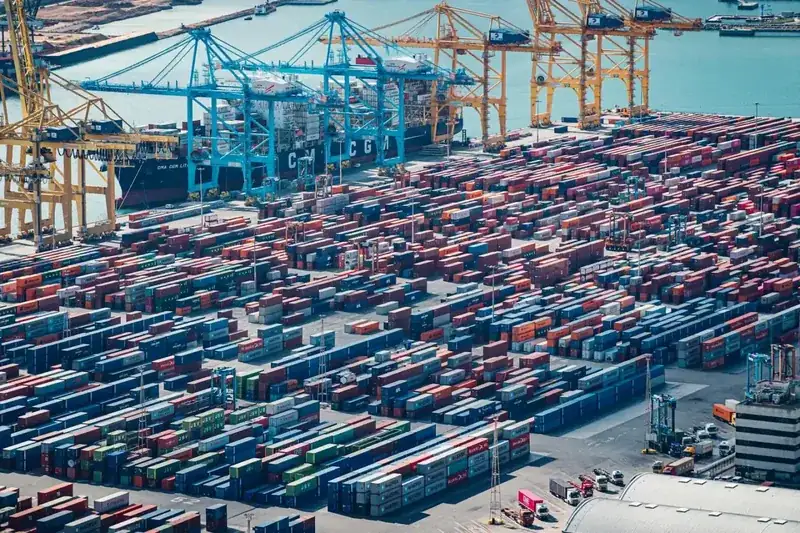
Sure Good Foods manages the key logistics and documentation required to move food products across borders. Our team coordinates pickup, delivery, Incoterms, health certificates, customs requirements, and related trade documentation to support compliant and efficient transactions. Confidently trade with reduced risk and full compliance.

Learn more →

Regulatory compliance documentation

Simplifying Regulatory Requirements

International food trade requires careful attention to facility approvals, product eligibility, certification, and market-specific requirements. Sure Good Foods works with approved suppliers and facilities, including operations aligned with GFSI, HACCP, and other recognized food safety standards, to help customers access new markets with greater confidence.

Learn more →
Trade finance and banking

Trade Finance & Risk Management

Cross-border transactions can create cash flow, currency, and payment risk. Sure Good Foods supports customers and suppliers with practical trade finance solutions, competitive payment structures, and foreign exchange management to make buying and selling easy.

Learn more →
Large-scale food distribution

Global and Scaled Supply Leverage

Sure Good Foods operates through an established global sourcing and trading network. Our purchasing scale, supplier relationships, and container-level programs help customers access competitive pricing, reliable volume, and product options across multiple origins.

Learn more →
Market intelligence and connections

Customer and Market Connectivity

Sure Good Foods connects qualified suppliers with buyers across retail, foodservice, distribution, processing, and industrial channels. Our market knowledge, sourcing access, and trading relationships help customers identify opportunities, manage supply needs, and expand into new markets without building the infrastructure alone.

Learn more →